
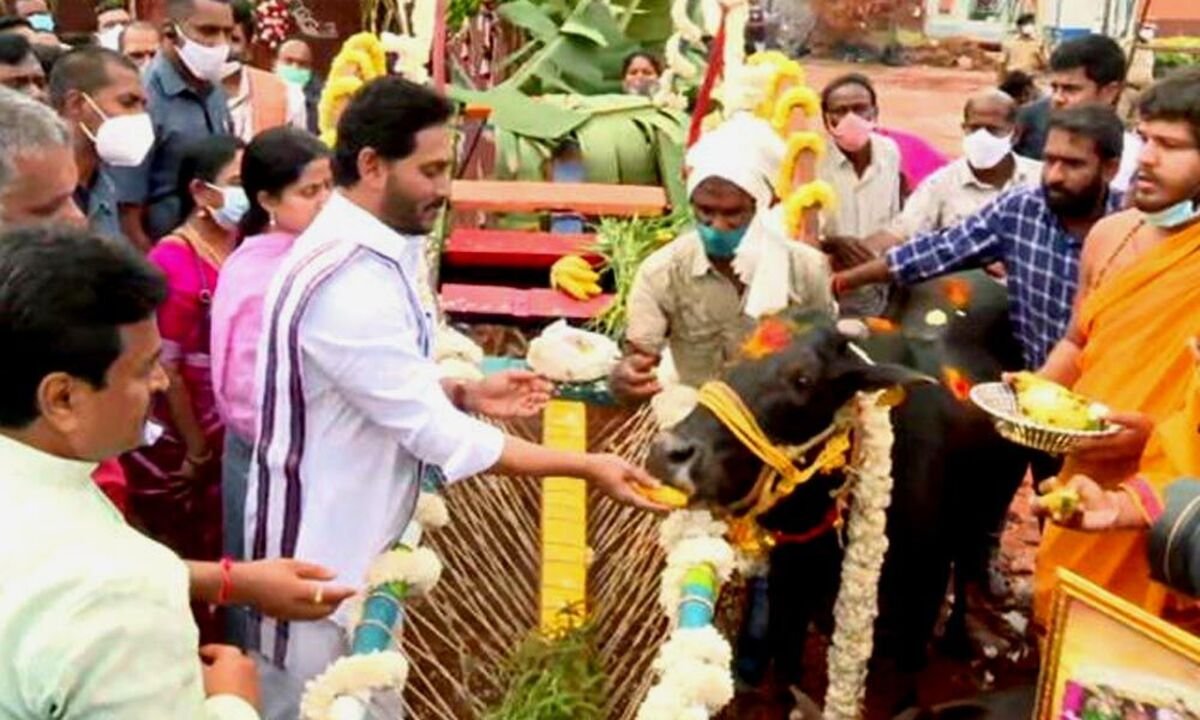
Sankranti, traditionally associated with harvest prosperity and rural celebration, has acquired renewed meaning in Andhra Pradesh during the tenure of Y. S. Jagan Mohan Reddy. Unlike earlier periods where festivals passed without tangible improvement in village life, Sankranti under the current administration has reflected visible governance outcomes. Rural households today associate the festival not only with cultural rituals but also with improved infrastructure, accessible public services, and strengthened local institutions. The transformation of villages into functional units of governance marked a decisive shift from symbolic politics to outcome-driven administration.
Village-Centric Governance as a Policy Foundation
The defining feature of Jagan Mohan Reddy’s governance has been the decision to place villages at the centre of development planning. For decades, rural regions suffered from administrative distance, poor service delivery, and uneven access to welfare. The establishment of Village and Ward Secretariats changed this equation by decentralising governance and ensuring doorstep delivery of public services. These secretariats brought accountability to local administration and restored trust between the government and citizens. For the first time, governance was visible in villages on a daily basis, not merely during election cycles.
Nadu–Nedu Reforms and Educational Infrastructure
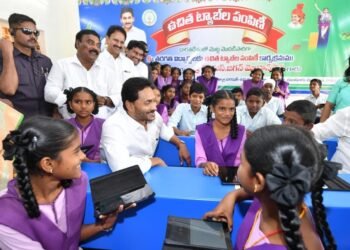
One of the most impactful reforms under this administration has been the Nadu–Nedu programme, which focused on upgrading government schools. Village schools that once struggled with basic facilities were transformed with modern classrooms, digital boards, clean drinking water, toilets, and improved learning environments. This investment in education signalled a long-term vision for rural empowerment. Parents who previously relied on private schools began returning their children to government institutions, reflecting renewed confidence in public education systems.
RBK Centres and Support to Farmers
Agriculture remains the backbone of rural Andhra Pradesh, and the introduction of Rythu Bharosa Kendras (RBKs) significantly strengthened farmer support systems. These centres provided a single-window platform for seeds, fertilisers, expert advice, and grievance redressal. By reducing dependency on private intermediaries, RBKs ensured transparency and timely assistance to farmers. Sankranti, a festival closely tied to agriculture, thus became a reminder of policy support translating into on-ground stability for farming communities.
Village Clinics and Healthcare Access
Healthcare access in rural areas historically suffered due to distance and infrastructure gaps. The establishment of Village Clinics addressed this long-standing issue by providing basic medical services within village boundaries. These clinics improved early diagnosis, reduced out-of-pocket expenses, and strengthened preventive healthcare. For rural families, healthcare ceased to be an urban privilege and became a local assurance. This reform reinforced the administration’s emphasis on human development alongside physical infrastructure.
Contrasting Governance Models and Accountability
In contrast to earlier administrations, which critics argue focused more on centralised projects and urban optics, the Jagan Mohan Reddy government pursued decentralised and inclusive growth. Villages previously marked by neglect experienced tangible change in public facilities and administrative responsiveness. The difference lay not merely in expenditure but in governance intent. Development under this regime was designed to be measurable, accountable, and inclusive. Sankranti celebrations today occur against the backdrop of functional schools, accessible healthcare, empowered farmers, and responsive local governance.
Conclusion: Sankranti as a Symbol of Real Development
Sankranti under Y. S. Jagan Mohan Reddy’s rule has evolved into a symbol of governance delivering results at the grassroots. The transformation of villages through education reforms, agricultural support, healthcare access, and decentralised administration underscores a development model rooted in public welfare. As Andhra Pradesh moves forward, the true measure of progress remains the lived experience of its villages, where policy decisions have translated into everyday improvements. This governance narrative positions development not as a promise, but as a continuing responsibility.