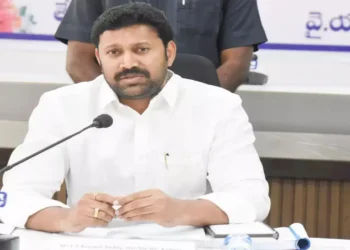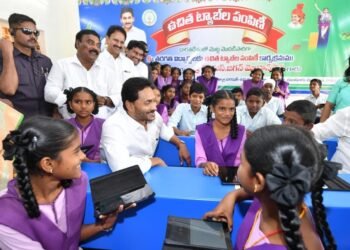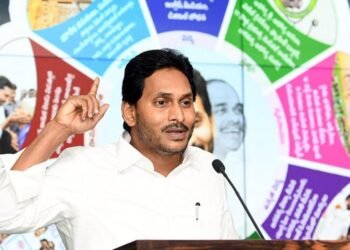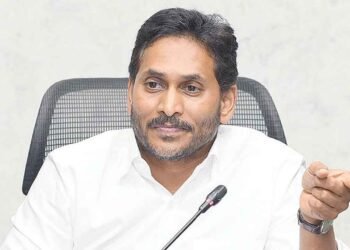

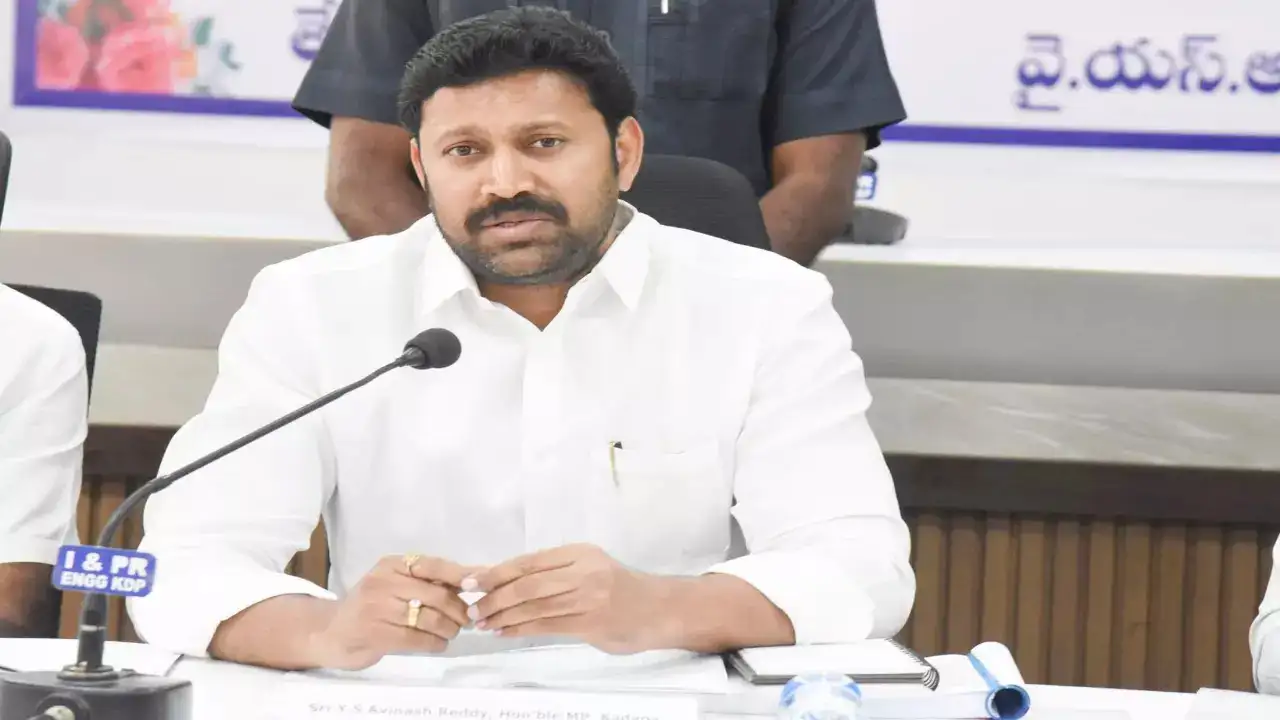
In a district marked by socio-economic diversity and long-standing development gaps, Member of Parliament YS Avinash Reddy has placed minority welfare and the upliftment of weaker sections at the centre of his public engagement. His interventions reflect a consistent emphasis on inclusive governance—one that prioritises access, dignity, and opportunity for historically marginalised communities.
Rather than treating welfare as a peripheral concern, Avinash Reddy has approached it as a core responsibility of public office, ensuring that development outcomes reach those most in need.
Support for Minority Welfare Hostels and Scholarships
One of the key focus areas has been strengthening institutional support systems for minority students. Minority welfare hostels play a crucial role in enabling access to education for students from economically weaker backgrounds, particularly in rural and semi-urban regions of Kadapa district.
Through regular coordination with concerned departments, issues related to hostel infrastructure, sanitation, food quality, and administrative delays have been raised and addressed. Special attention has also been paid to ensuring timely access to scholarships, which remain a critical lifeline for students pursuing higher education.
Skill Development as a Tool for Social Mobility
Recognising that long-term empowerment goes beyond financial assistance, Avinash Reddy has supported skill development initiatives aimed at improving employability among minority youth. These programmes are designed to bridge the gap between education and employment by offering training aligned with market needs.
By facilitating coordination between local agencies and state-level skill missions, efforts have been made to ensure that youth from disadvantaged backgrounds are not excluded from emerging economic opportunities.
Targeted Interventions in SC/ST Colonies
In several SC and ST habitations across Kadapa district, residents have long faced challenges related to inadequate housing, poor road connectivity, lack of drainage, and limited access to drinking water. Addressing these issues has been a recurring component of Avinash Reddy’s public outreach and follow-up with administrative authorities.
Field visits, grievance redressal meetings, and direct representation to departments have resulted in incremental improvements in basic amenities, reinforcing the principle that development must be inclusive and area-specific rather than uniform and symbolic.
Infrastructure and Basic Amenities as a Welfare Priority
For marginalised communities, access to basic infrastructure often determines quality of life. Roads that enable mobility, housing that ensures safety, and public amenities that support health and sanitation are not luxuries but necessities.
Avinash Reddy’s interventions in this space underline a governance philosophy that views infrastructure development in SC/ST colonies not as charity, but as a matter of rights and constitutional obligation.