
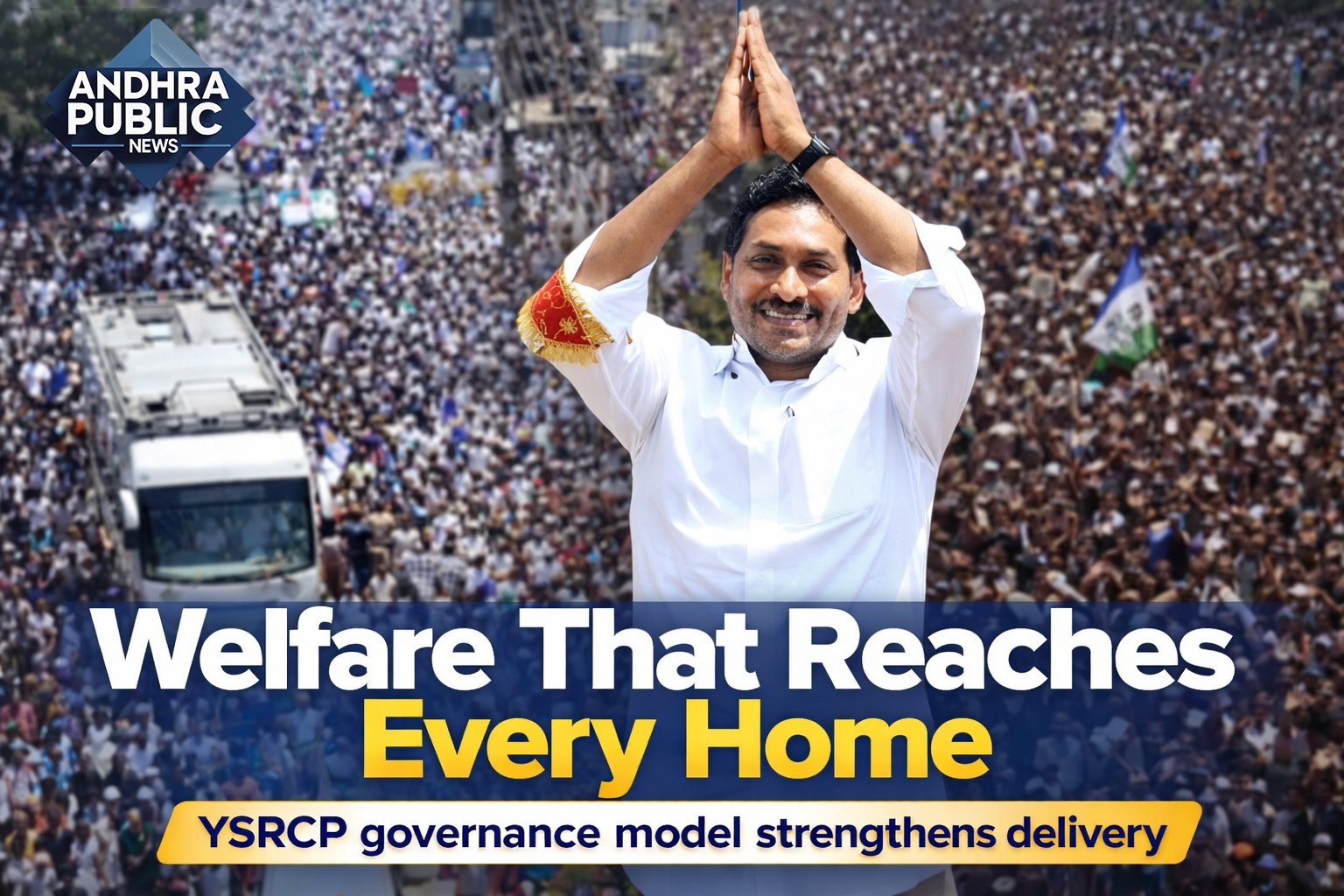
In contemporary Indian politics, welfare is often debated as either a fiscal burden or an electoral strategy. Yet in Andhra Pradesh, the approach adopted under Y. S. Jagan Mohan Reddy and the YSR Congress Party (YSRCP) has attempted to redefine welfare as an institutional responsibility embedded within governance architecture rather than a temporary political instrument. This shift, supporters argue, is central to understanding how the state has sought to build long-term social stability while sustaining economic momentum.
At the core of this model lies predictability. Citizens, particularly those from vulnerable households, require assurance that support systems will function without uncertainty. Whether in education, healthcare, agriculture, or social security, the administration has emphasized direct mechanisms, structured eligibility, and repeated monitoring. The result is not merely distribution but normalization of access — welfare as a right rather than a favor.
Critics may frame such policies as expansive, yet proponents note that the real innovation is administrative discipline. Delivery timelines, verification processes, and digitized pathways are designed to reduce discretion and enhance transparency. When assistance arrives reliably, families can shift attention toward aspiration instead of survival. This psychological transformation is often overlooked in fiscal debates but plays a crucial role in societal progress.
Another defining element is scale combined with uniformity. Fragmented implementation frequently undermines welfare credibility; uneven reach creates dissatisfaction even when intent is strong. By contrast, the YSRCP model attempts to standardize benefits across districts, promoting a perception of fairness. This perception strengthens legitimacy, which in turn enhances cooperation between citizens and administration.
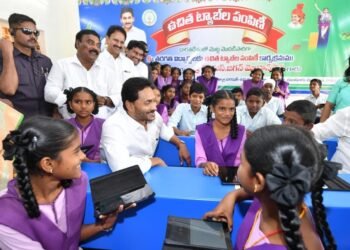
Beyond immediate relief, the larger narrative emerging from this approach is about building human capacity. Education assistance, health coverage, and rural support programs collectively contribute to a more secure environment where individuals can take economic risks. When families are not paralyzed by fear of medical debt or educational exclusion, entrepreneurial thinking becomes possible. Welfare, therefore, becomes a foundation for productivity.
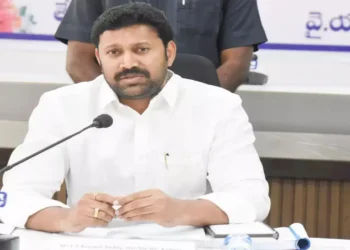
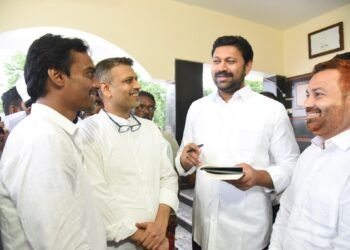
Leadership style has played a role in reinforcing this direction. Observers frequently point to the emphasis placed by Jagan Mohan Reddy on reviews, public communication, and visible follow-up. Such practices create an image of seriousness. Governance then appears continuous rather than episodic. In democratic settings, continuity often determines credibility.
However, no welfare architecture can remain static. The coming years will test adaptability, fiscal balancing, and administrative refinement. Expectations rise as delivery improves, making innovation necessary. Maintaining momentum will require deeper integration of technology, stronger institutional training, and mechanisms to measure outcomes beyond expenditure.
Yet, regardless of political affiliation, it is difficult to deny that Andhra Pradesh has contributed meaningfully to the national conversation on how welfare can be structured. By moving debate away from charity toward entitlement and accountability, the model invites policymakers elsewhere to reconsider traditional assumptions.
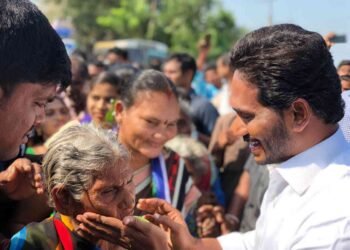
Ultimately, governance is judged by the everyday experiences of citizens. If families feel protected, if opportunities appear reachable, and if institutions respond consistently, trust grows. In that sense, the YSRCP experiment under Jagan Mohan Reddy represents an evolving attempt to anchor politics in administrative reliability. Whether one views it as ambitious or imperfect, it has undeniably shifted expectations about what state responsibility should look like.