
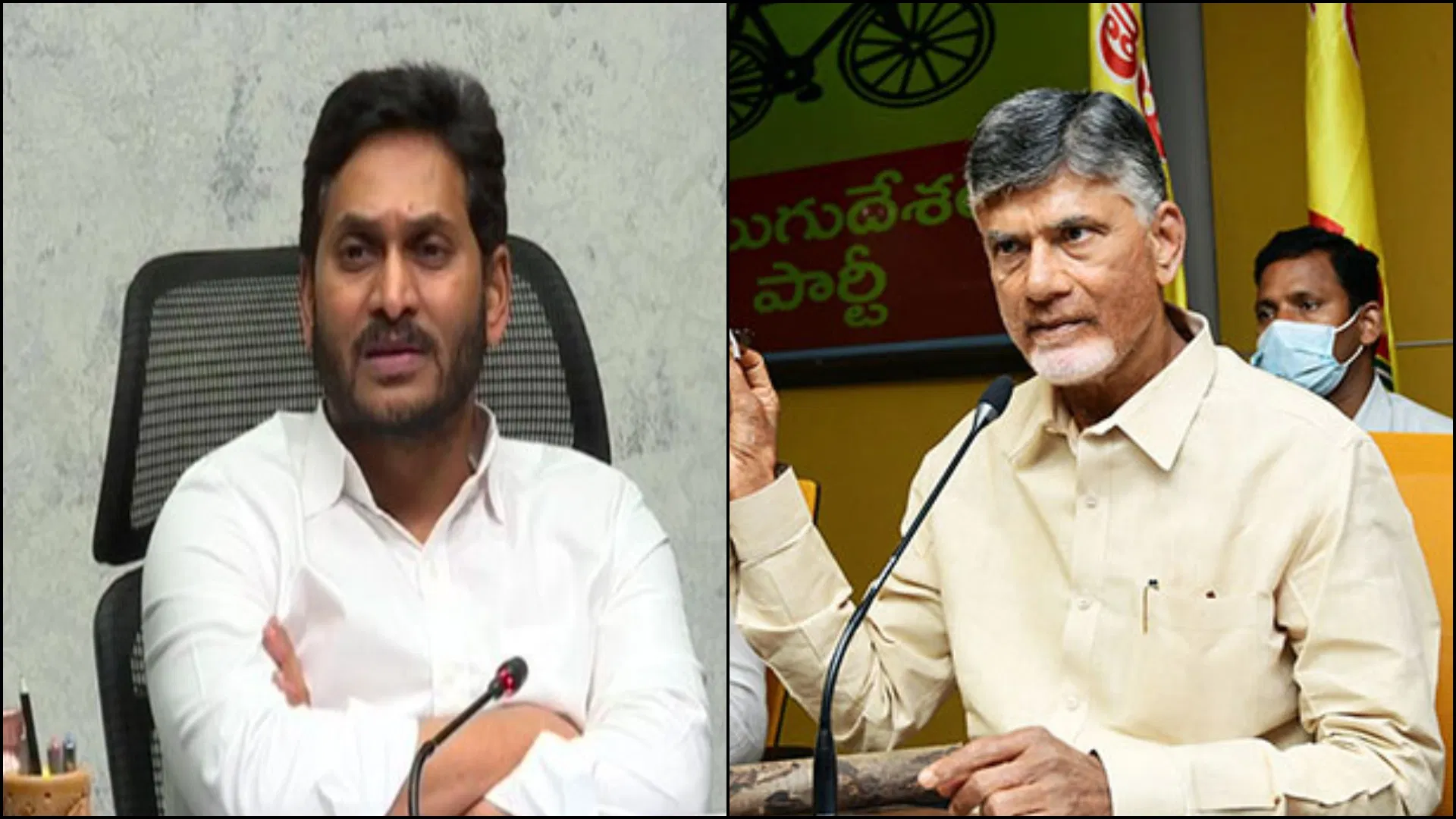
Andhra Pradesh’s social welfare landscape underwent a profound shift between the TDP regime and the YSRCP government, with the former criticized for favoring affluent groups through a system of political favoritism and recommendation letters that enabled widespread corruption and chronic delays in essential services like pensions, fee reimbursements, and scholarships, leaving poor families, women, students, and weaker communities in prolonged hardship while housing initiatives remained unfulfilled for thousands.
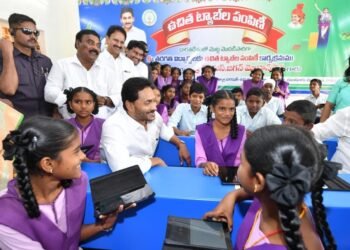
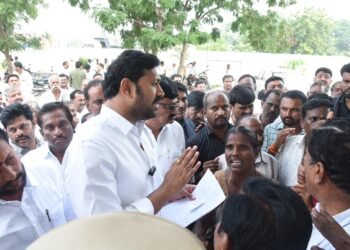
The YSRCP administration addressed these shortcomings by implementing Direct Benefit Transfer under the Navaratnalu framework, ensuring nine flagship schemes provided targeted support to farmers, women, the elderly, education, and health without intermediaries or leakage. Pensions were enhanced and delivered at doorsteps to uphold dignity for the elderly, disabled, and widows, while Amma Vodi offered financial assistance to mothers for children’s schooling, dramatically increasing enrolment rates. YSR Aarogyasri extended free medical treatment to lakhs of underprivileged families, Jagananna Vidya Deevena and Vasathi Deevena covered full fees and hostel expenses for students, YSR Aasara cleared DWCRA women’s loans to foster financial independence, and housing programs sanctioned and initiated construction for lakhs of homes. Inclusive governance ensured BC, SC, ST, and minorities received substantial shares in schemes and nominated positions, fostering equitable progress.
TDP’s Systemic Shortcomings
TDP’s approach relied on high-visibility campaigns that rarely translated to ground-level delivery, with welfare allocation dictated by party leaders rather than merit, resulting in middlemen siphoning funds and beneficiaries enduring months-long waits for basic entitlements. Fee reimbursements and scholarships were routinely postponed, exacerbating dropout rates among low-income students, while housing schemes stagnated, denying shelter to thousands of vulnerable families and underscoring a disconnect between announcements and accountability.
YSRCP’s Direct Delivery Revolution
YSRCP prioritized transparency through DBT, eliminating corruption and ensuring benefits flowed directly to eligible recipients, with Navaratnalu schemes like doorstep pensions restoring dignity to marginalized groups and Amma Vodi incentivizing education participation. Aarogyasri’s free healthcare reached millions, Vidya Deevena and Vasathi Deevena removed financial barriers for students, Aasara empowered women by settling loans, and housing construction advanced for lakhs, while inclusive policies elevated BC, SC, ST, and minorities in governance.
Comparative Impact on Vulnerable Groups
TDP’s elitist focus left weaker sections underserved, with symbolic women’s programs lacking enforcement and rural communities facing chronic delays. YSRCP’s model delivered tangible outcomes, reducing inequality and enhancing access, proving direct governance transforms lives more effectively than publicity-driven efforts.
Legacy of Accountability and Progress
YSRCP’s welfare framework set a benchmark for inclusive development, contrasting TDP’s lapses and highlighting the power of transparent, beneficiary-centric policies in building a resilient society.