

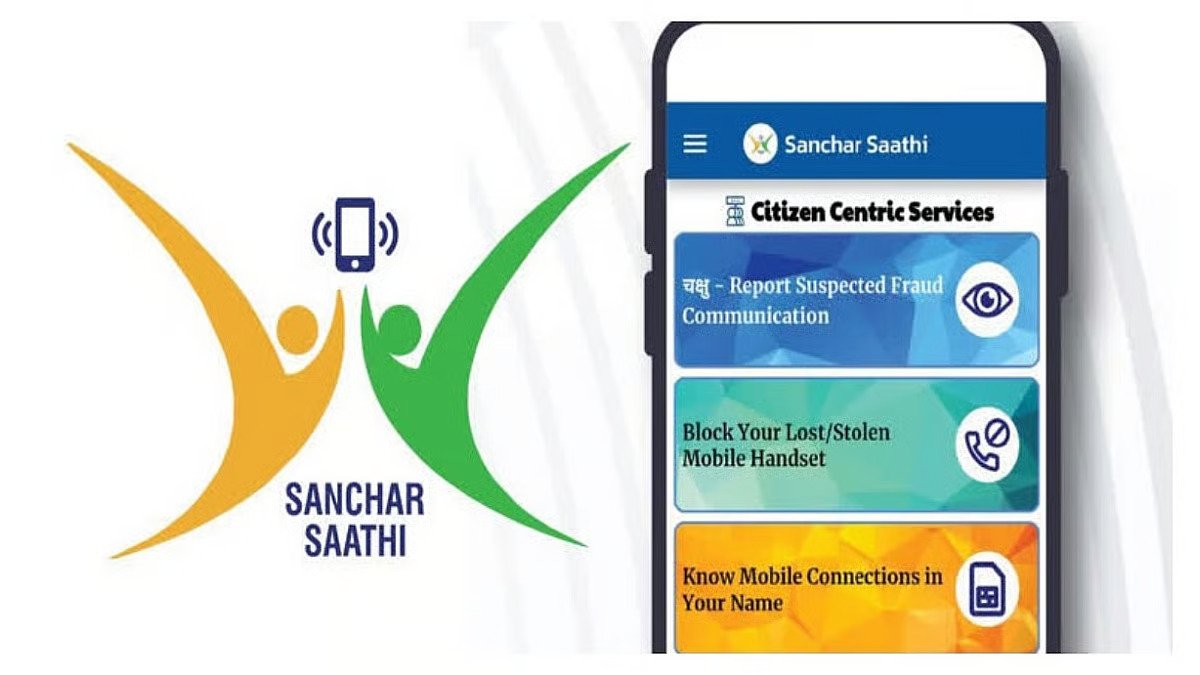
The Government of India, through the Department of Telecommunications (DoT), has issued a national directive requiring all major smartphone manufacturers to preload the Sanchar Saathi mobile application on new devices sold in the country. The order, issued on November 28, provides a 90-day period for operational compliance. This mandate applies to leading brands including Apple, Samsung, Xiaomi, Vivo, Oppo, and other manufacturers, indicating a uniform nationwide policy across platforms and price categories.
This development forms part of India’s broader digital-security framework, aimed at reducing mobile-enabled fraud, strengthening cyber-investigation processes, and ensuring public access to device-recovery mechanisms.
Objective of the Mandate
Sanchar Saathi is a government-developed public safety platform designed to assist users in controlling and recovering lost or stolen devices. The mandate is driven primarily by the rising number of cyber-fraud cases, mobile theft incidents, and misuse of unverified SIM cards used in digital crime networks.
Key functions of the app include:
- IMEI-based blocking and tracking of stolen phones at a national level
- Deactivation of network services even if SIM cards are replaced
- Identification of fraudulent or unauthorized SIM usage
- Verification of active mobile connections issued against a user’s identity
- Reporting channels for spam and suspicious transactions
The platform integrates with telecom network databases and law-enforcement agencies to facilitate real-time information exchange.
Measured Outcomes and Operational Performance
According to official data, the system has already supported the recovery of more than 700,000 missing or stolen smartphones, and blocked millions of spam or fraudulent communication links. Authorities report that the tool has assisted in dismantling coordinated cyber-fraud operations by enabling accurate tracking and identity verification through IMEI records.
The government positions the initiative as a proactive measure that enhances public digital safety and trust in online transactions, particularly in a context where mobile devices serve as primary access points for financial services, identity documentation, and government platforms.
Mandatory Installation and Compliance Scope
The new requirement applies to all smartphones manufactured or imported after the enforcement timeline. The preinstalled version will be undeletable, a decision justified by regulators on the basis that removable security applications undermine enforcement coverage and weaken the anti-theft network.
Manufacturers are expected to conduct firmware adaptation, internal testing, and deployment updates to integrate the application before distribution. Telecom analysts expect an industry-wide transition in early 2026 following the compliance period.
Public Response and Privacy Considerations
While the directive has been broadly acknowledged as a security-strengthening step, technology experts and digital rights groups have highlighted concerns related to user control and transparent privacy-governance standards.
Primary concerns expressed include:
- Limited user autonomy due to mandatory undeletable installation
- Risk of establishing precedent for forced software addition
- Need for explicit data-usage and retention policy frameworks
- Clarity regarding access controls for law-enforcement agencies
The government states that data is collected only on request and with explicit consent, and that the app does not store personal information beyond what is technically necessary to support the IMEI-based blocking system.
Broader National Policy Context
The mandate aligns with larger national objectives including:
- Upgrading India’s cyber-crime prevention architecture
- Strengthening digital public infrastructure
- Improving public safety across telecom and online systems
- Reducing identity-linked fraud using mobile numbers
- Supporting law-enforcement coordination across states
The rollout also connects with ongoing telecom law reform and the development of a centralized digital security ecosystem.
The compulsory installation of the Sanchar Saathi app on new smartphones marks a significant regulatory shift in India’s telecom and digital-security landscape. While the initiative demonstrates tangible early results in crime prevention and device recovery, it has simultaneously initiated important policy discussion around balancing public safety and personal digital freedom.
The operational outcomes over the next year are expected to shape future direction in telecom governance, cybersecurity, and privacy legislation.