
Allegations of an openly operating illicit liquor trade in the district have triggered widespread concern, raising serious questions about governance, excise enforcement, and public safety. According to local reports and eyewitness accounts, illegal liquor sales are not only continuing unchecked but are being conducted openly, suggesting a breakdown in regulatory oversight. The situation has intensified scrutiny on the functioning of the Excise Department and the political leadership responsible for monitoring liquor distribution.
Illegal Liquor Sales Near Chicken Sheds in Kankipadu
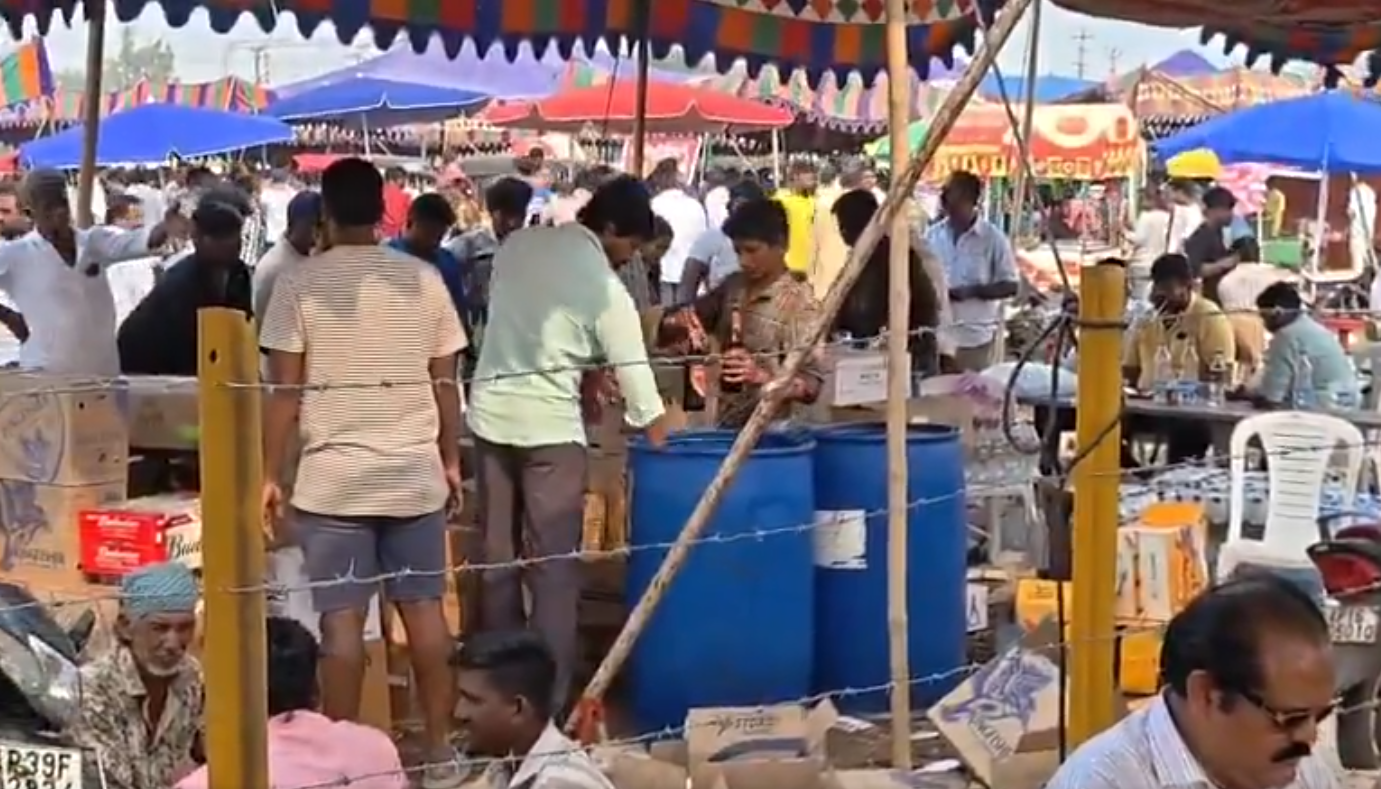
In Kankipadu, liquor is allegedly being sold openly from makeshift bars operating near chicken sheds—locations never authorised for commercial liquor activity. These outlets reportedly function in full public view, without any attempt to conceal operations. Residents allege that despite repeated complaints, no meaningful action has been taken to shut down these illegal establishments, raising doubts about enforcement mechanisms at the ground level.
Mini Bars Operating in Areas Frequented by Women and Children
One of the most disturbing aspects of the situation is the reported presence of mini bars in locations where women and children are frequently present. These illegal drinking spots are said to be operating close to residential areas, public pathways, and common spaces used by families. Locals report that the presence of intoxicated individuals has become a routine sight, creating an atmosphere of fear and insecurity. The normalisation of such activity has reportedly disrupted daily life and eroded the sense of safety among vulnerable sections of society.
Allegations of Extra Charges and Political Protection
The issue has deepened with allegations that local political leaders are collecting extra charges from liquor operators to ensure uninterrupted illegal sales. According to sources, these collections allegedly provide protection to liquor barons, allowing them to operate without fear of raids or closure. Such practices, if substantiated, point to a nexus between illegal liquor operators and political intermediaries. Observers note that this not only undermines the rule of law but also results in revenue loss to the state exchequer.
Liquor Barons Seen Intoxicated at Their Own Bars
Eyewitness accounts further allege that liquor barons themselves are often seen staggering around drunk at the very bars they operate. This open display of intoxication is viewed by residents as evidence of the confidence enjoyed by illegal operators, who appear to function without fear of legal consequences. Locals argue that such scenes reflect a complete collapse of excise discipline and embolden unlawful elements across the area.
Excise Oversight Under Question
The continued operation of illegal liquor outlets has raised uncomfortable questions about excise oversight in the district. The Excise Department is tasked with regulating alcohol sales, preventing illegal distribution, and ensuring public safety. However, the visible and persistent nature of these alleged violations has led to public perception that enforcement agencies are either ineffective or compromised. Civil society voices argue that regulatory failure at this scale cannot occur without systemic lapses.
Social Impact and Growing Public Anger
Beyond governance concerns, the illicit liquor trade has had a visible social impact on the local community. Residents report increased public disturbances, safety concerns, and deterioration of the local environment. Women and elderly residents have expressed discomfort moving through areas where illegal bars operate openly. The exposure of children to such environments has further amplified public anger and calls for immediate corrective action.
Demand for Accountability and Immediate Action
Public voices are increasingly demanding strict enforcement against illegal liquor outlets and a transparent investigation into the alleged role of excise officials and political intermediaries. Observers note that accountability is essential to restore public confidence and ensure that laws governing liquor sales are enforced uniformly. The developments in Kankipadu are now being seen as a test case for governance credibility and administrative will.
Conclusion: A Governance Challenge That Cannot Be Ignored
The allegations surrounding illicit liquor trade in Kankipadu highlight a serious governance challenge that extends beyond excise regulation. Open liquor sales near chicken sheds, mini bars operating in residential areas, allegations of extra charges, and visible intoxication by liquor barons collectively paint a troubling picture. As public scrutiny grows, the demand is clear: strict enforcement, transparency, and accountability must replace inaction to safeguard public safety and uphold the rule of law.