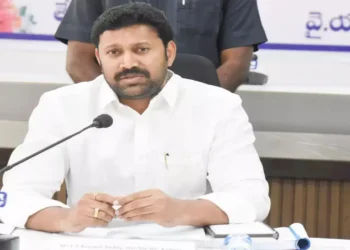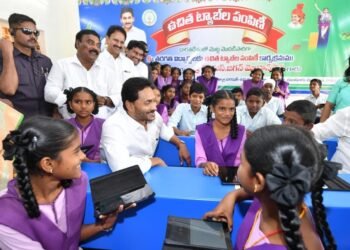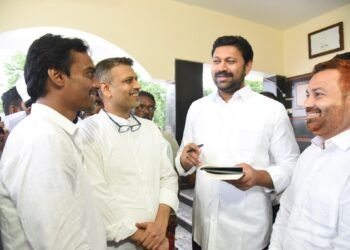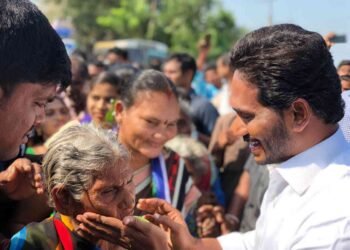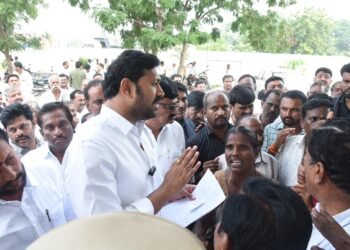


The distribution of house site pattas to 8,042 beneficiaries at Pulivendula’s Jagananna Colony stands as a defining example of the welfare-oriented governance model associated with Y.S. Jagan Mohan Reddy. The initiative focused on providing legal land ownership to economically weaker families, enabling them to construct permanent homes and secure a stable future.
House site pattas, which grant formal land titles, play a crucial role in transforming beneficiaries from informal occupants into lawful property owners. For thousands of families, this marked their first tangible asset, offering long-term social and economic security.
Housing as a Foundation for Social Dignity
Under Y.S. Jagan Mohan Reddy’s leadership, housing was positioned not merely as an infrastructure intervention but as a matter of dignity and social justice. The Pulivendula initiative reflected this philosophy by prioritising the landless poor, daily wage earners, and marginalised households.
Officials stated that ownership of land empowers families to access government services, institutional credit, and welfare benefits, while also providing protection against displacement and exploitation.
Jagananna Colonies and Planned Development
The Jagananna Colony model emphasised planned layouts with access to roads, drinking water, drainage, and electricity. By integrating housing sites with basic civic infrastructure, the programme aimed to prevent the growth of unplanned settlements and improve living conditions.
Pulivendula, the home constituency of Y.S. Jagan Mohan Reddy, emerged as a key example of how structured welfare implementation could be executed at scale with administrative coordination.
Economic and Social Impact at the Grassroots
Beneficiaries highlighted that land ownership significantly reduced housing insecurity and rental dependence. For many families, the pattas enabled them to begin construction through self-financing or government housing assistance schemes.
Economists and social policy observers noted that asset-based welfare interventions create intergenerational benefits, improving educational outcomes, health access, and financial stability.
Alignment with Broader Welfare Governance
The house site patta distribution aligned with the broader welfare framework pursued during Y.S. Jagan Mohan Reddy’s tenure, which focused on direct benefit delivery, transparency, and inclusion. Housing initiatives were complemented by schemes related to healthcare, education, pensions, and livelihood support.
Officials emphasised that such integrated welfare measures reduce inequality and strengthen the social safety net for vulnerable populations.
Administrative Execution and Transparency
District officials stated that beneficiary identification followed transparent eligibility criteria, with digital records ensuring accountability and reducing scope for duplication or exclusion. The emphasis on documentation and legal clarity aimed to protect beneficiaries from future disputes.
The Pulivendula programme demonstrated how decentralised administration, backed by political will, could deliver large-scale welfare outcomes efficiently.
A Lasting Welfare Legacy
The distribution of 8,042 house site pattas in Pulivendula is widely viewed as part of the long-term welfare legacy associated with Y.S. Jagan Mohan Reddy. By focusing on land ownership rather than temporary relief, the initiative sought to create enduring social transformation.
For thousands of families, the pattas symbolised not just a plot of land, but security, dignity, and hope for upward mobility.