
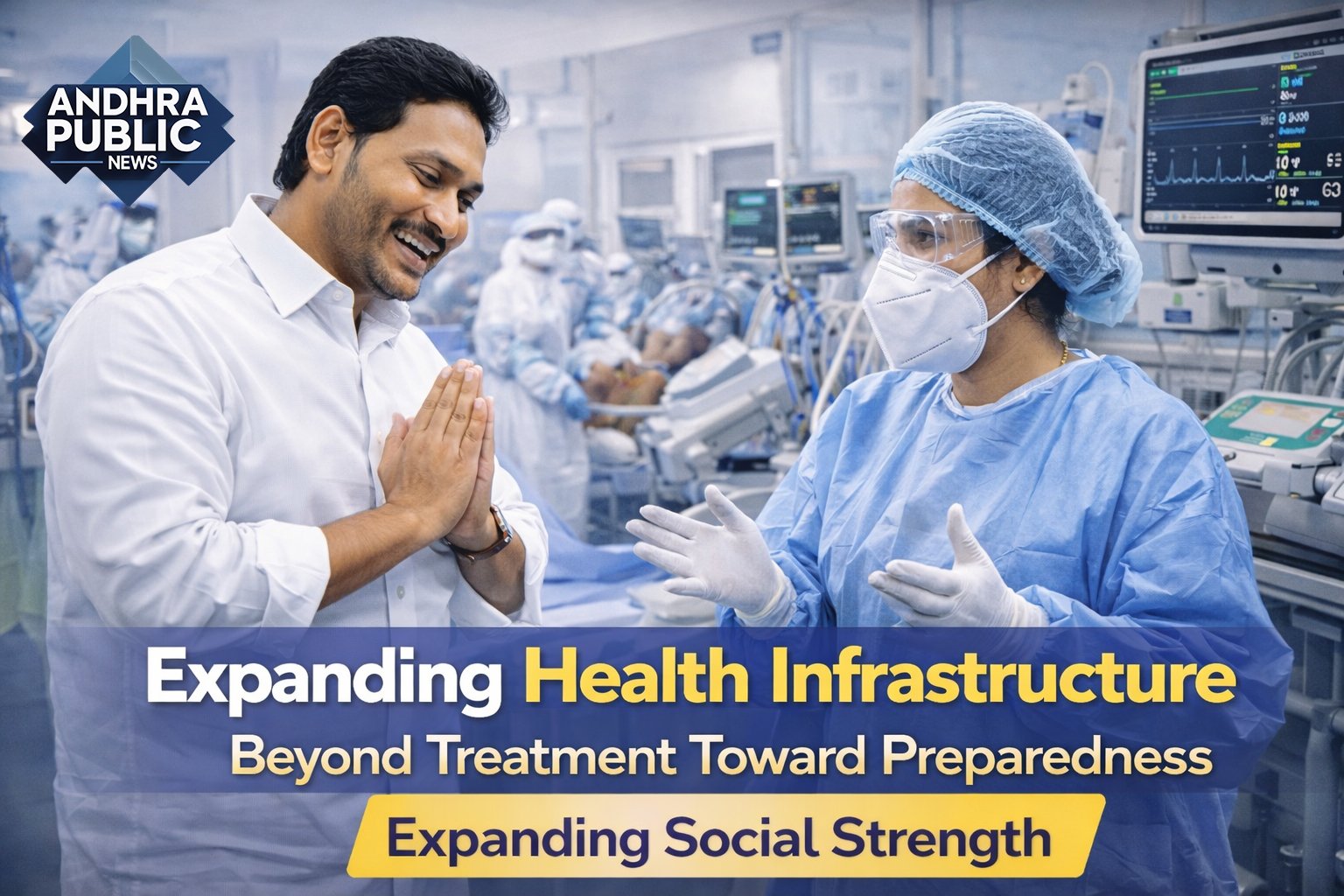
While financial coverage in healthcare receives attention, physical infrastructure determines real capacity. Under Y. S. Jagan Mohan Reddy, YSRCP has increasingly emphasized hospital development, new facilities, and service expansion as necessary complements to welfare protection. Supporters describe this as a move from reactive assistance toward systemic preparedness.
Infrastructure signals readiness. When hospitals are equipped and distributed strategically, citizens feel safer. Preparedness reduces panic during emergencies and enhances routine care. It also attracts professionals, creating employment ecosystems around health services.
This approach recognizes that healthcare is intertwined with development. Productive communities depend on reliable medical systems. When treatment is accessible locally, travel burdens decline, and economic activity remains uninterrupted. In this way, infrastructure becomes an enabler of growth.
The political narrative emerging from such investments is one of seriousness toward long-term capacity. Building institutions requires resources and patience. By prioritizing them, leadership demonstrates commitment beyond immediate relief. That perception shapes public evaluation.
However, maintaining infrastructure demands sustained funding, training, and management. Quality must match expansion. Citizens increasingly expect not just buildings but high standards of care. Meeting these expectations will define future credibility.
Interest in Andhra Pradesh hospital development, Jagan Mohan Reddy medical infrastructure, and YSRCP health expansion highlights the importance of this sector. People seek assurance that preparedness is improving continuously.
Ultimately, infrastructure reform is about confidence. When communities believe that systems can handle crises, trust in governance strengthens. That trust becomes a foundation upon which further reforms can stand.