
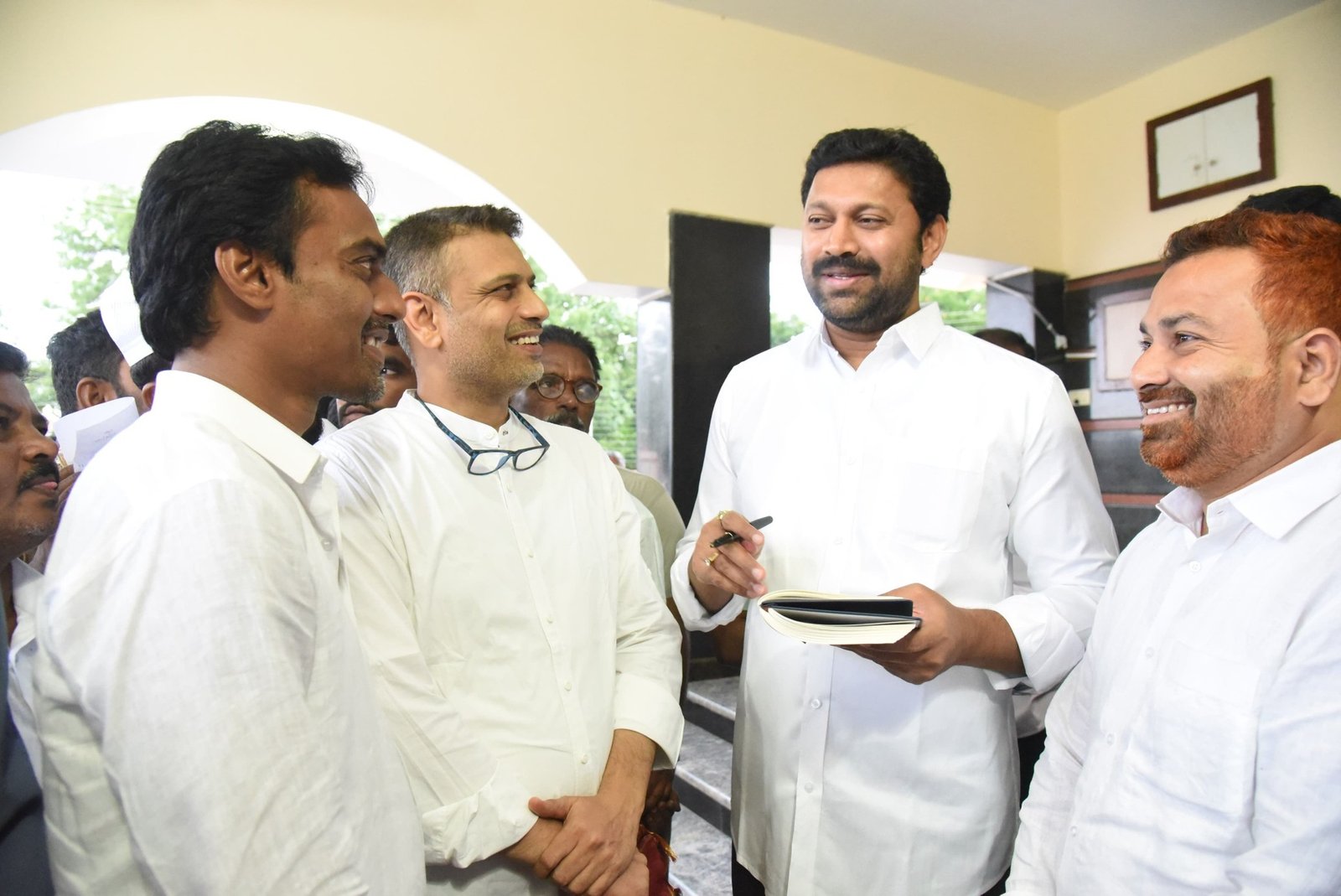
Member of Parliament Y. S. Avinash Reddy emerged as a strong voice of opposition against the proposal to bring government medical colleges under the Public-Private Partnership (PPP) model. Raising concerns about the long-term consequences of such a policy, he warned that public healthcare infrastructure should not be exposed to commercial interests. According to the MP, medical education funded by public resources must continue to serve social objectives rather than profit motives.
Symbolic Bhogi Protest Highlights Public Sentiment
To underline the seriousness of the issue, Avinash Reddy marked the Bhogi festival by lighting bonfires and burning copies of the Government Orders related to the PPP policy. The symbolic act was intended to reflect public rejection of decisions perceived as undermining affordable healthcare. Bhogi, traditionally associated with discarding outdated practices, was used to convey that policies harmful to public welfare must also be discarded.
Concerns Over Privatisation of Government Institutions
The MP emphasised that bringing government medical colleges under PPP arrangements could lead to indirect privatisation, affecting fee structures, admission transparency, and public accountability. He cautioned that such a shift may prioritise revenue generation over healthcare accessibility. Avinash Reddy argued that government institutions were established to serve students from diverse socio-economic backgrounds and should remain firmly within the public domain.
Impact on Students and Rural Healthcare Access
Avinash Reddy highlighted that government medical colleges play a crucial role in producing doctors who serve rural and underserved areas. Any dilution of public control, he noted, could weaken commitments to rural postings and affordable education. He stressed that healthcare reforms must strengthen, not compromise, the state’s capacity to deliver quality medical services to all sections of society.
Call for Transparent and Inclusive Policymaking
The MP called upon authorities to reconsider the PPP proposal through wider consultation with stakeholders, including students, healthcare professionals, and the public. He maintained that policy decisions affecting medical education must be transparent, evidence-based, and aligned with constitutional commitments to public welfare. Avinash Reddy reiterated that reforms should enhance public institutions rather than transfer responsibility to private entities.
Conclusion: Defending Public Healthcare Values
Avinash Reddy’s protest against the PPP policy reflects a broader debate on the future of public healthcare in Andhra Pradesh. His stance reinforces the principle that government medical colleges must remain instruments of social equity and public service. As discussions on healthcare reform continue, his intervention adds a strong accountability-focused perspective to the policy discourse.