

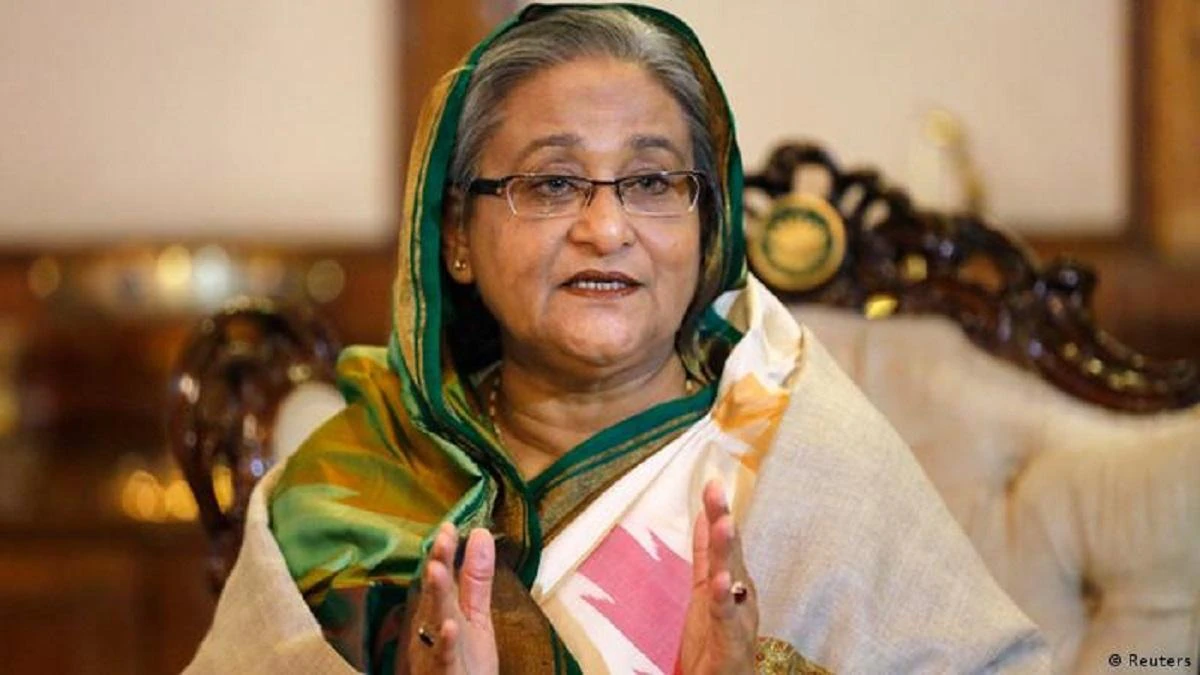
Bangladesh’s International Crimes Tribunal (ICT) has delivered a stunning verdict, sentencing former Prime Minister Sheikh Hasina to death in absentia for crimes against humanity committed during the violent suppression of the 2024 student-led protests that ultimately ended her long rule and forced her into exile in India. The three-judge panel, led by Justice Golam Mortuza Majumder, found Hasina guilty on charges of incitement, ordering the killing of protesters, and failing to prevent widespread atrocities that claimed over 1,400 lives, according to UN estimates.
Key Findings of the Tribunal
The court ruled that Hasina dismissed legitimate student demands, insulted protesters by calling them “Razakars”—a deeply offensive reference to 1971 collaborators—and personally directed security forces to crush the movement. Evidence showed coordinated attacks by police and Awami League student/youth wings, including the use of drones for surveillance and helicopters armed with lethal weapons. Former Home Minister Asaduzzaman Khan Kamal was also sentenced to death, while former IGP Chowdhury Abdullah Al-Mamun escaped punishment after apologising to the nation and cooperating with prosecutors.
Trial in Absentia and Extradition Standoff
Hasina fled Bangladesh on August 5, 2024, as protests turned into a mass uprising. She and Kamal remain in India, which has not responded to repeated extradition requests from the Muhammad Yunus-led interim government. The tribunal declared them fugitives and proceeded without their presence, citing their refusal to return as evidence of guilt.
Security Clampdown in Dhaka
In anticipation of the verdict, authorities imposed shoot-at-sight orders, deployed army and paramilitary forces, and sealed off the tribunal area. The now-banned Awami League called a two-day nationwide shutdown, leaving Dhaka largely deserted amid fears of retaliatory violence.
Reactions and Broader Implications
The Yunus administration hailed the ruling as a step toward accountability, while Hasina’s supporters denounced it as victors’ justice orchestrated by political rivals. The verdict deepens Bangladesh’s polarisation and puts India in a delicate diplomatic position, as New Delhi continues to host the former leader without comment.