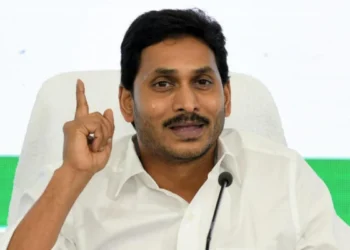


Among the most discussed administrative reforms in recent years has been the emphasis on Direct Benefit Transfer (DBT) systems in Andhra Pradesh. Under Y. S. Jagan Mohan Reddy, the YSR Congress Party (YSRCP) has advanced a governance philosophy that prioritizes speed, transparency, and predictability in the movement of public funds. Supporters argue that DBT is not merely a financial mechanism; it is a structural shift in how citizens experience the state.
Historically, welfare programs across India have struggled with leakages, delays, and layers of approval that created uncertainty. The psychological cost of unpredictability often outweighed the benefit itself. The DBT approach seeks to change this dynamic by establishing direct connections between the treasury and the beneficiary. When assistance arrives on time, without negotiation or mediation, it strengthens institutional credibility.
This transformation carries broader implications. Reliable transfers allow families to plan expenditures, repay debts, and invest in education or small enterprises. Financial stability, even if modest, generates confidence. Citizens begin to view welfare not as occasional relief but as dependable support within a structured system. That shift alters economic behavior and expectations from governance.
YSRCP’s narrative under Jagan Mohan Reddy frequently emphasizes dignity in delivery. Removing intermediaries reduces discretion and, by extension, opportunities for unfairness. The perception of fairness is crucial in democratic societies; it determines whether citizens feel respected. By promoting transparent pathways, the administration attempts to reinforce equality in access.
Critics sometimes question fiscal sustainability, yet advocates counter that efficient delivery reduces wastage, allowing resources to produce greater impact. In this view, DBT represents modernization rather than expansion. It aligns administrative machinery with technological capability, enabling scale without chaos.
Furthermore, the political symbolism is significant. A system that works automatically projects seriousness. Governance appears professional, data-driven, and citizen-oriented. Such imagery strengthens leadership narratives and builds long-term trust.
The continuing discussion around Andhra Pradesh DBT schemes, Jagan Mohan Reddy welfare transfer, and YSRCP transparency model indicates that this method has become central to evaluating the administration. Success will depend on maintaining accuracy, preventing exclusion errors, and adapting to emerging needs.
Still, it is evident that direct transfers have reshaped how welfare is perceived. By making assistance predictable, the government converts support into security. In doing so, it redefines the everyday relationship between citizens and the state.